
Spring Lawn Treatment in Central Kentucky: What Your Lawn Needs Right Now
After a long Central Kentucky winter, your lawn is ready to wake up. As temperatures rise across Georgetown and Central Kentucky, early spring is the most important time to give your lawn the nutrients and protection it needs for the year ahead.
A proper spring lawn treatment sets the foundation for thick grass, fewer weeds, and a healthier yard all summer long.
Here’s what homeowners should know about spring lawn care in our region.

Why Spring Lawn Treatments Matter
Most lawns in Central Kentucky are made up of cool-season grasses like tall fescue and Kentucky bluegrass. These grasses grow most actively in spring and fall, which makes spring the ideal time to strengthen your lawn.
Without proper early-season treatment, lawns often struggle with:
Crabgrass and other invasive weeds
Thin or patchy grass
Nutrient deficiencies from winter dormancy
Increased stress once summer heat arrives
A professional treatment plan helps your lawn build strong roots now so it can handle Kentucky’s hot summers later.

Timing Is Everything in Kentucky Lawn Care
In Central Kentucky, spring lawn care isn’t based on the calendar, it’s based on soil temperature.
Many lawn treatments become effective when soil temperatures reach certain levels:
Pre-emergent weed control: applied when soil temperatures reach about 50–55°F to prevent crabgrass from germinating.
Spring fertilization: most effective when soil temperatures reach 55–65°F, when grass begins actively growing again.
Because temperatures vary each year, the best results come from applying treatments during the right weather window, not simply on a fixed date.
What a Proper Spring Lawn Treatment Includes
A professional lawn treatment program typically includes several key steps that work together to build a healthy lawn.
1. Pre-Emergent Weed Control
Pre-emergent treatments create a protective barrier in the soil that prevents weed seeds from sprouting. This is especially important for stopping aggressive weeds like crabgrass before they start spreading.
Once weeds germinate, they are much harder to control, which is why early prevention is so important.
2. Spring Fertilization
After months of winter dormancy, your lawn needs nutrients to begin active growth again.
Spring fertilizer helps:
Green up your lawn faster
Encourage thicker turf
Strengthen roots before summer stress
A properly balanced fertilizer feeds the lawn without pushing excessive growth that can lead to disease.
3. Early Weed Control
Even with pre-emergent protection, some weeds will still appear. Targeted treatments help eliminate common spring weeds such as:
Dandelions
Chickweed
Henbit
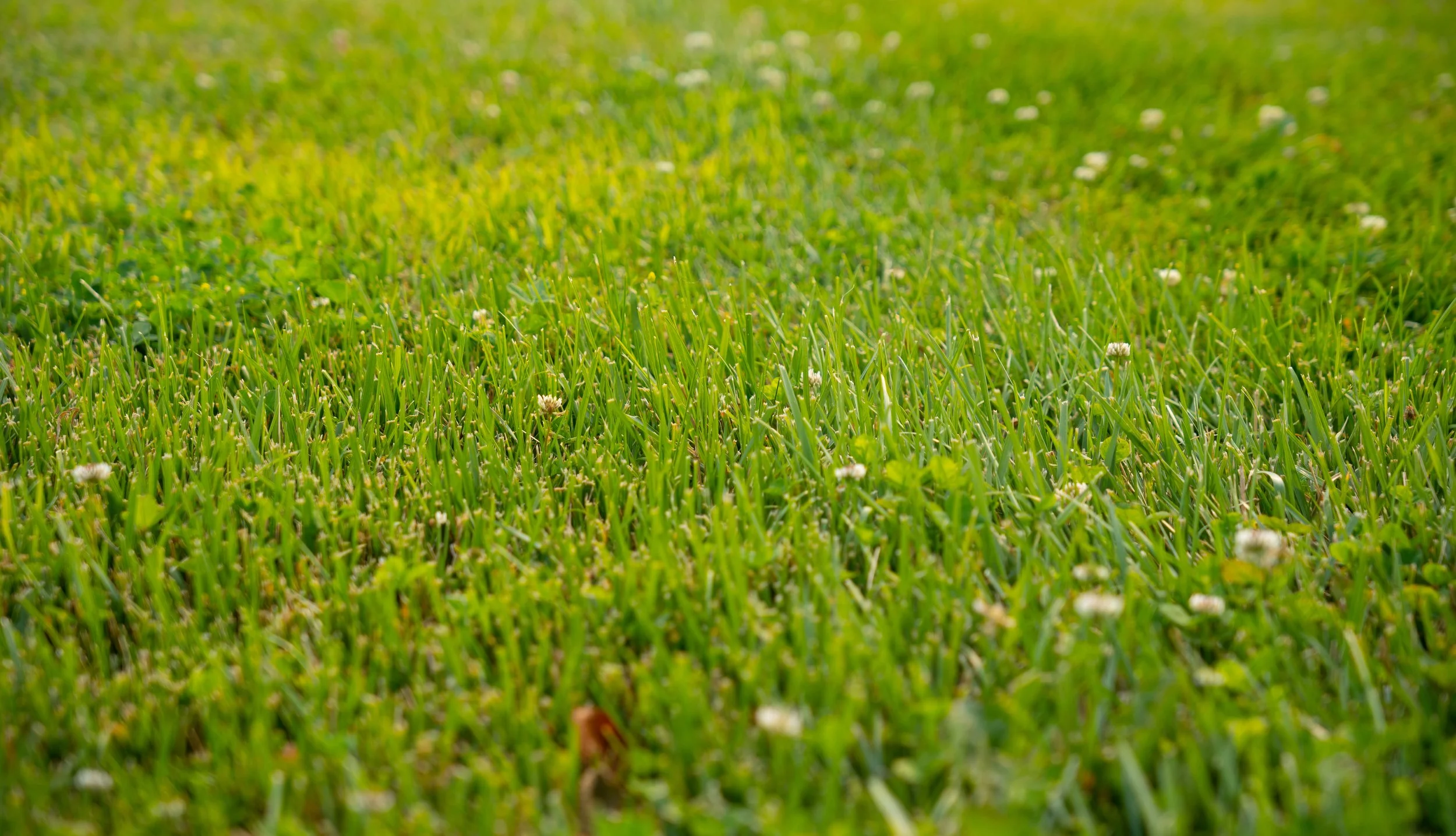
Clover
Controlling weeds early prevents them from spreading throughout the growing season.
4. Soil Health and Lawn Monitoring
Every lawn is different. Soil type, shade, drainage, and mowing habits all impact how your lawn performs.
Professional lawn care programs monitor:
Soil nutrient levels
Turf density
Weed pressure
Seasonal growth patterns
Adjusting treatments based on these conditions keeps your lawn healthy all year long.
Schedule Your Spring Lawn Treatment
Spring is one of the busiest times of year for lawn care, and treatment windows can fill quickly.
If you’re in Georgetown, KY or surrounding areas, now is the time to schedule your lawn treatment program.
A little preparation in the spring makes a big difference in how your lawn looks all summer.
Contact Akers Lawn Care & Landscaping today to get started with your annual lawn treatment plan.