
Fall Lawn Care Checklist for Central Kentucky Homeowners
As summer heat gives way to cooler temperatures, fall becomes one of the most important seasons for Central Kentucky lawns. The work you put in over the next couple of months sets the stage for how your lawn recovers from summer stress and how it comes back next spring.
Here's a simple checklist to help you get the most out of fall lawn care season.
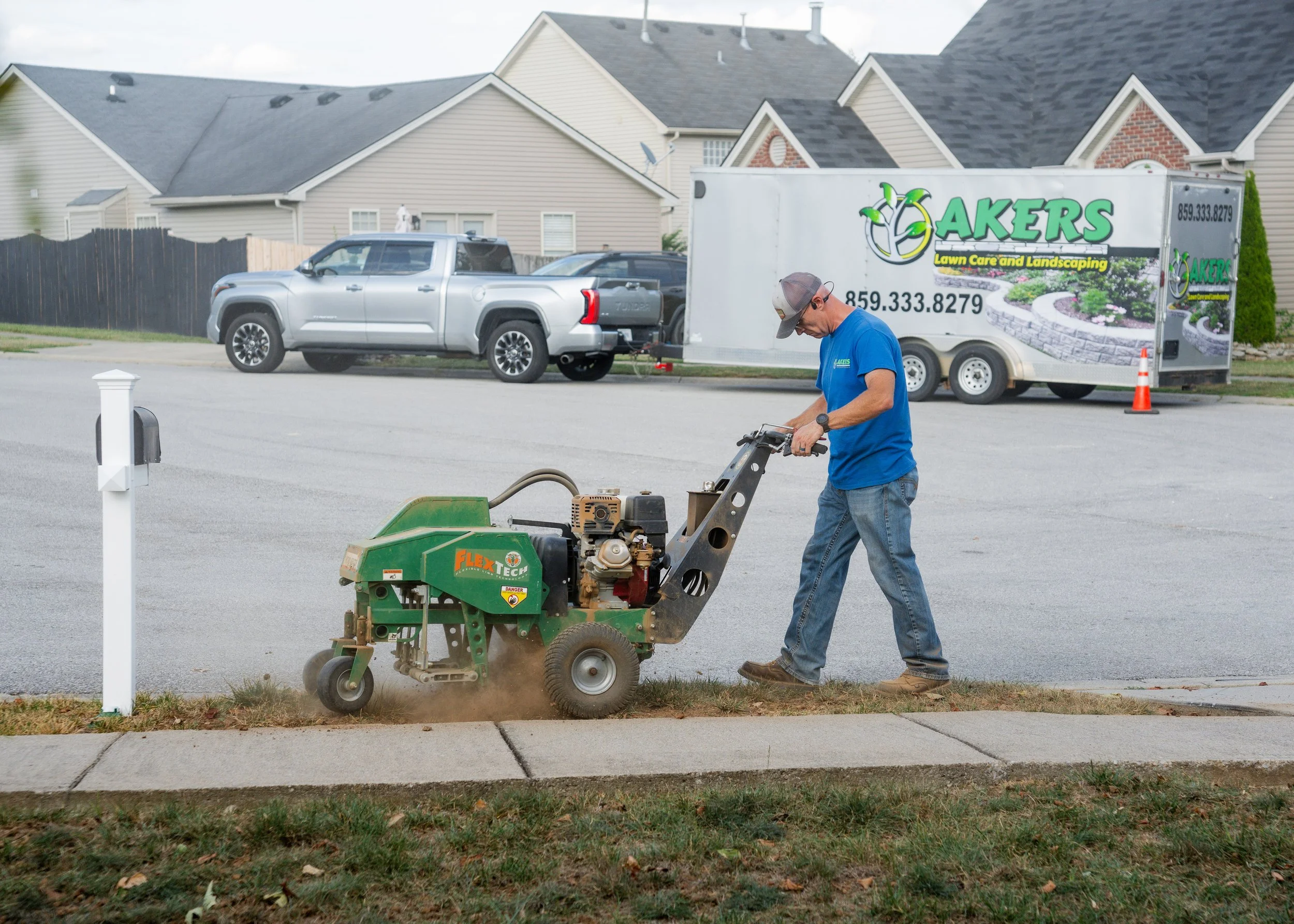
Akers®
1. Aerate and Overseed
Summer heat, foot traffic, and drought stress can leave lawns compacted and thin. Fall is the ideal time to address both issues at once.
How to do it: Core aeration relieves soil compaction and allows water, air, and nutrients to reach the root zone. Following up with overseeding fills in thin or bare areas while cooler temperatures and fall rainfall help new grass establish before winter.
2. Adjust Your Mowing Height
The mowing height that worked for summer isn't necessarily right for fall. As grass growth slows down, cutting too short can stress the lawn heading into colder weather.
How to do it: Gradually lower your mowing height over the course of the fall. Keeping grass at a moderate height into early fall protects the crown of the plant, then a slightly shorter final cut before winter helps prevent matting under snow and ice.
3. Apply Fall Fertilizer
Many homeowners stop thinking about fertilizer once summer ends, but fall feeding is one of the most beneficial applications of the year for cool-season lawns.
How to do it: A fall fertilizer application supports root development and helps grass store energy for winter dormancy and a stronger start in spring. Timing matters, so an application in early to mid fall typically delivers the best results.

Akers®
4. Control Weeds Before Winter
Many weeds are actively storing energy in their root systems during fall, which makes this an effective window to treat them before they go dormant or spread further.
How to do it: Addressing broadleaf weeds and other problem areas in fall helps prevent a bigger weed issue from showing up next spring. A professional lawn care program can help identify the right treatment based on what's actually growing in your yard.
5. Clean Up Leaves and Debris Promptly
A thick layer of fallen leaves left sitting on the lawn can block sunlight, trap moisture, and lead to matted, damaged turf underneath.
How to do it: Rake or mulch leaves regularly throughout the season rather than waiting until they've piled up. Mulching leaves with a mower can even return valuable nutrients to the soil, as long as the layer stays light enough for grass to breathe.
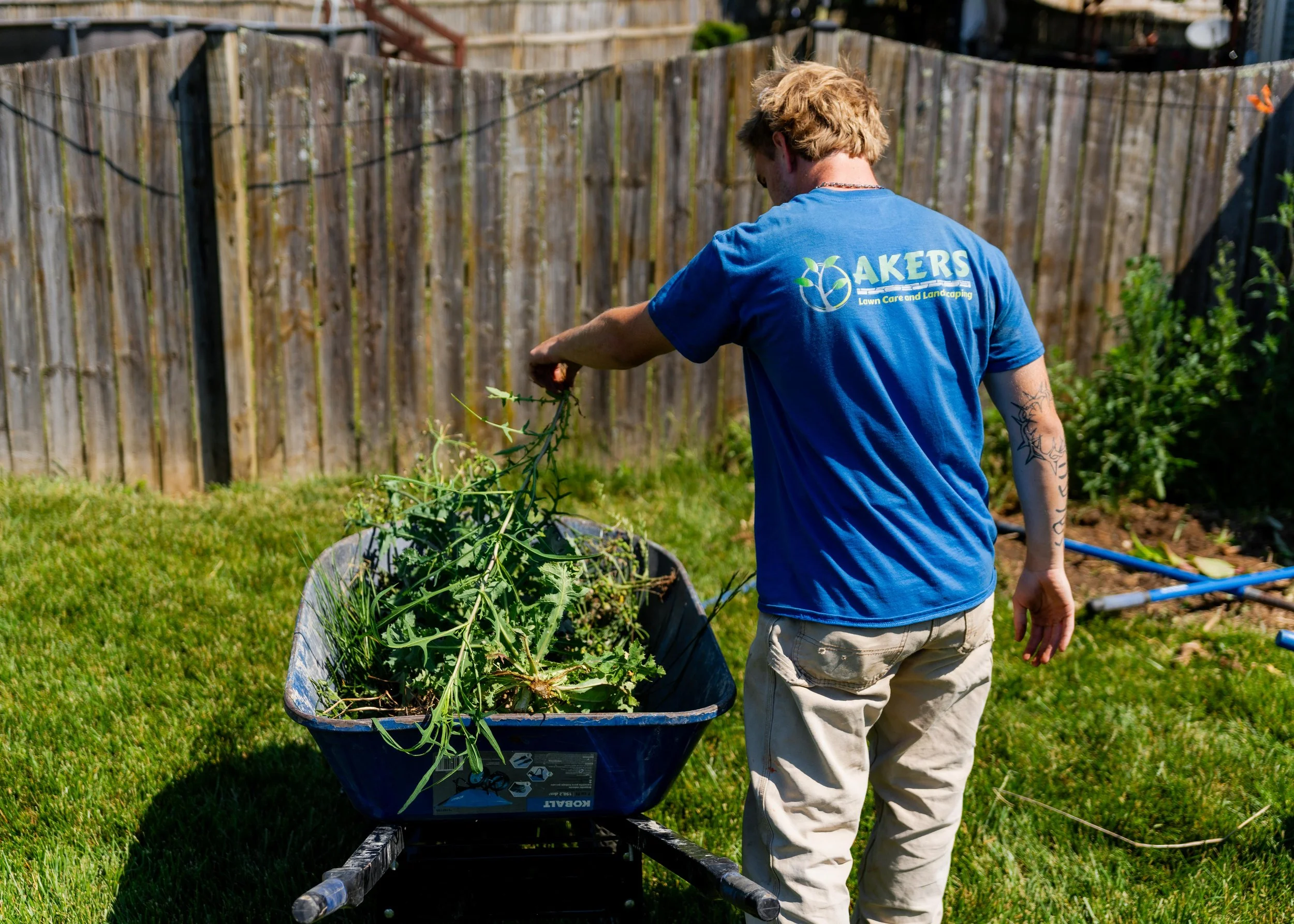
Akers®
Set Your Lawn Up for a Strong Spring
Fall lawn care doesn't get the same attention as spring cleanup, but it plays a major role in how healthy and resilient your lawn is when the growing season starts back up.
At Akers Lawn Care & Landscaping, we help homeowners throughout Central Kentucky get their lawns ready for the season ahead. Whether you need aeration and overseeding, fertilization, or a full fall lawn care plan, our team is here to help.